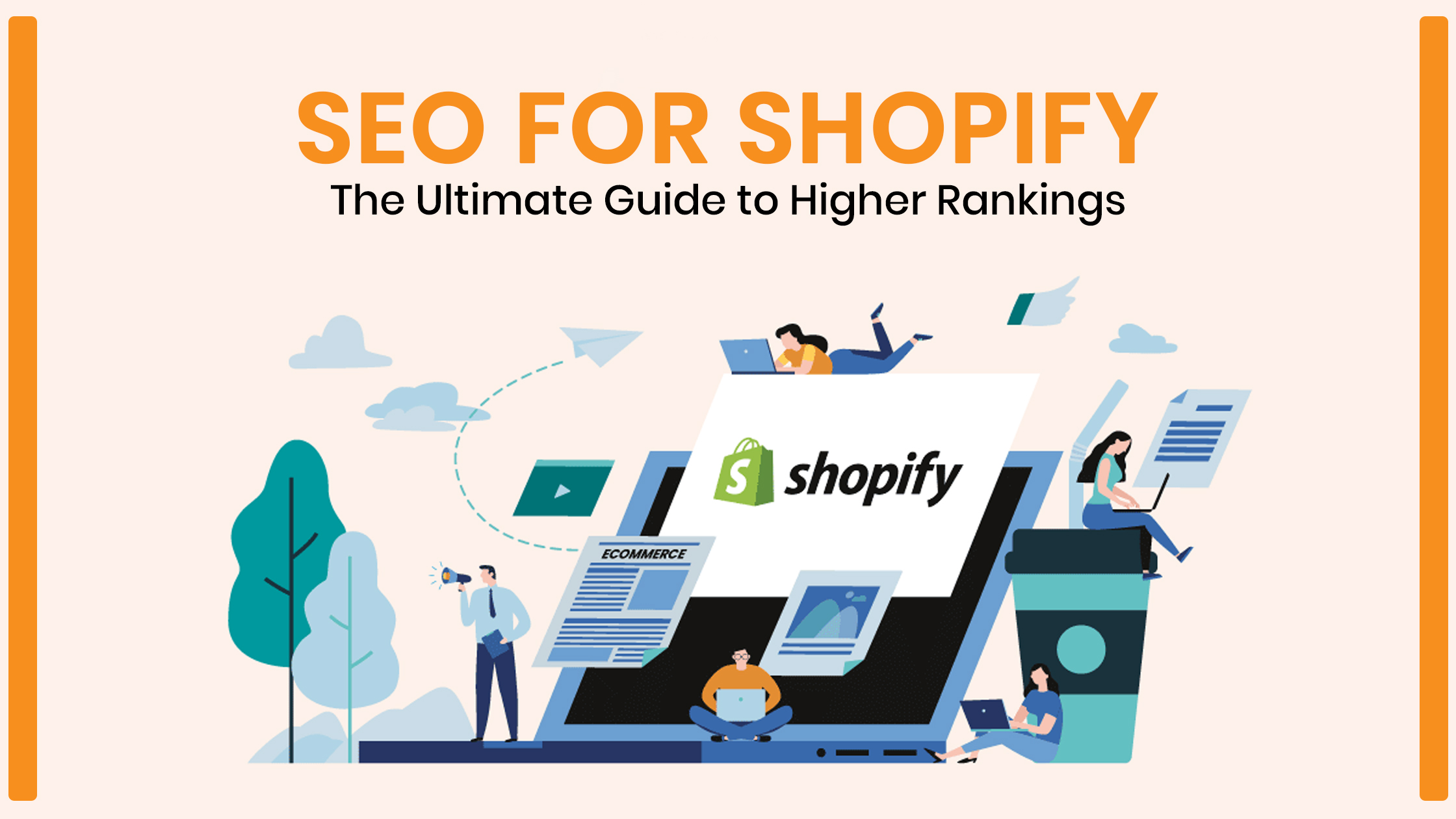
SEO for Shopify: The Ultimate Guide to Higher Rankings
In today’s competitive online market, simply launching a Shopify store is not enough. Thousands of ecommerce brands enter the market every day, and only a few manage to appear on the first page of Google. If your store is not ranking, you are missing out on valuable traffic, leads, and sales. That ivs where SEO for Shopify becomes essential.
Shopify is one of the most popular ecommerce platforms because it is easy to use, fast, and beginner-friendly. However, many store owners believe that creating a beautiful website is enough to generate sales. The reality is different. Without proper optimization, even the best-designed Shopify store can struggle to attract customers.
This guide by Click Mecha will help you understand how to improve your store visibility, increase organic traffic, and successfully Rank Shopify Websites on Google using smart and practical SEO strategies.
Why SEO Matters for Shopify Stores
Search engines are one of the biggest traffic sources for ecommerce businesses. When people search for products online, they usually click on websites appearing on the first page of Google. If your Shopify store is optimized correctly, you can attract customers without spending heavily on paid ads.
Good SEO for Ecommerce helps your website in multiple ways. It increases visibility, builds trust, improves user experience, and generates long-term traffic. Unlike paid advertising, SEO continues to deliver results over time.
For Shopify store owners, SEO is even more important because the competition is growing rapidly. Brands are constantly competing for rankings, especially in fashion, electronics, beauty, and lifestyle niches. A strong SEO strategy helps your store stand out from competitors.
Understanding Shopify SEO Basics
Before diving into advanced strategies, it is important to understand how Shopify SEO works. Search engine optimization is the process of improving your website so that search engines can easily understand and rank your pages.
Shopify already provides several built-in SEO features. These include mobile responsiveness, SSL security, automatic sitemap generation, and clean URL structures. While these features help, they are not enough to guarantee rankings.
To truly improve your store performance, you need to focus on keyword optimization, content quality, technical SEO, and backlinks.
The first step is keyword research. You need to understand what your customers are searching for online. In this case, keywords like SEO for Shopify, SEO for Ecommerce, and Rank Shopify Websites should naturally appear throughout your content, product pages, and blogs.
Optimize Your Shopify Store Structure
A well-organized website structure helps both users and search engines navigate your store easily. If your pages are confusing or difficult to access, Google may struggle to index them properly.
Your Shopify store should have a clean navigation menu with clearly defined categories and collections. Customers should be able to find products within a few clicks.
For example, if you run a fashion store, your structure could look like this:
- Home
- Men’s Clothing
- Women’s Clothing
- Accessories
- New Arrivals
- Blog
- Contact Us
This simple structure improves user experience and supports better SEO performance.
Internal linking is another important factor. Linking related products, collections, and blog posts helps search engines understand the relationship between your pages. It also keeps visitors engaged for longer periods.
Write SEO-Friendly Product Descriptions
One of the biggest mistakes Shopify store owners make is copying manufacturer descriptions. Duplicate content can negatively impact rankings and reduce your chances of appearing in search results.
Instead, create unique and engaging product descriptions. Focus on explaining the product benefits rather than only listing features. Use conversational language that connects with customers naturally.
For example, instead of writing:
“Cotton T-shirt available in multiple colors.”
You can write:
“Experience all-day comfort with our premium cotton t-shirt designed for both style and durability.”
This approach improves readability while helping search engines understand your content better.
Make sure your primary keywords appear naturally in titles, headings, meta descriptions, and body text. Avoid keyword stuffing because it can harm your rankings.
Improve Website Speed and Mobile Experience
Website speed plays a major role in SEO for Ecommerce. If your Shopify store loads slowly, visitors may leave before viewing your products. Google also considers speed as a ranking factor.
To improve store performance:
- Compress large images
- Remove unnecessary apps
- Use lightweight Shopify themes
- Enable browser caching
- Optimize code and scripts
Mobile optimization is equally important. Most online shoppers now browse and purchase products through smartphones. Shopify themes are generally mobile-friendly, but you should still test your store regularly on different devices.
A fast and responsive website improves customer experience and helps you Rank Shopify Websites more effectively.
Focus on Content Marketing
Content marketing is one of the most powerful SEO strategies for Shopify stores. Publishing helpful blogs allows you to target informational keywords and attract customers at different stages of the buying journey.
For example, if you sell skincare products, you can create blogs like:
- Best Skincare Routine for Oily Skin
- How to Choose the Right Face Serum
- Common Skincare Mistakes to Avoid
These blogs bring organic traffic and establish your brand as an authority in your niche.
When writing blogs, focus on solving customer problems. Use easy-to-read language, short paragraphs, and engaging headings. Your keywords should blend naturally within the content instead of appearing forced.
A strong blog strategy supports both SEO for Shopify and long-term brand growth.
Optimize Meta Titles and Descriptions
Meta titles and descriptions are important because they appear in search engine results. They influence whether users click on your website or not.
A good meta title should include your target keyword and remain under 60 characters. Meta descriptions should clearly explain the page content and encourage clicks.
For example:
Meta Title:
SEO for Shopify – Complete Guide to Rank Shopify Websites
Meta Description:
Learn proven SEO strategies for Shopify stores to increase traffic, improve visibility, and rank higher on Google.
Optimized meta tags improve click-through rates and search visibility.
Build High-Quality Backlinks
Backlinks remain one of the strongest ranking factors in SEO. When other websites link to your Shopify store, Google sees your website as trustworthy and authoritative.
You can build backlinks through:
- Guest posting
- Blogger outreach
- Influencer collaborations
- Business directories
- PR campaigns
- Shareable blog content
Avoid spammy backlink methods because they can lead to penalties. Focus on earning links from relevant and high-quality websites within your niche.
A strong backlink profile significantly improves your ability to Rank Shopify Websites competitively.
Use Shopify SEO Apps Wisely
Shopify offers several SEO apps that help automate optimization tasks. These tools can assist with meta tags, image optimization, schema markup, and broken link monitoring.
Popular SEO apps include:
- Plug In SEO
- Smart SEO
- SEO Manager
- TinyIMG
While apps are useful, they should not replace a proper SEO strategy. Human-written content, technical optimization, and quality backlinks still matter the most.
Track Your SEO Performance
SEO is not a one-time task. You need to monitor your performance regularly and make improvements based on data.
Tools like Google Analytics and Google Search Console help you track traffic, rankings, and user behavior.
Pay attention to metrics such as:
- Organic traffic growth
- Keyword rankings
- Bounce rate
- Conversion rates
- Page speed
- Click-through rate
Regular analysis helps you identify what is working and where improvements are needed.
Final Thoughts
Building a successful Shopify store requires more than attractive design and great products. Without a strong SEO strategy, your website may struggle to reach potential customers. Effective SEO for Shopify helps improve visibility, increase traffic, and drive long-term sales growth.
From optimizing product pages and improving site speed to creating valuable content and earning backlinks, every SEO step contributes to better rankings. Consistency is the key. Results may take time, but the long-term benefits are worth the effort.
If you want to grow your ecommerce business and consistently Rank Shopify Websites, investing in professional SEO for Ecommerce is one of the smartest decisions you can make.
At Click Mecha, we help ecommerce brands build powerful SEO strategies that improve rankings, increase visibility, and generate real business growth. Whether you are launching a new Shopify store or scaling an existing one, the right SEO approach can take your business to the next level.