
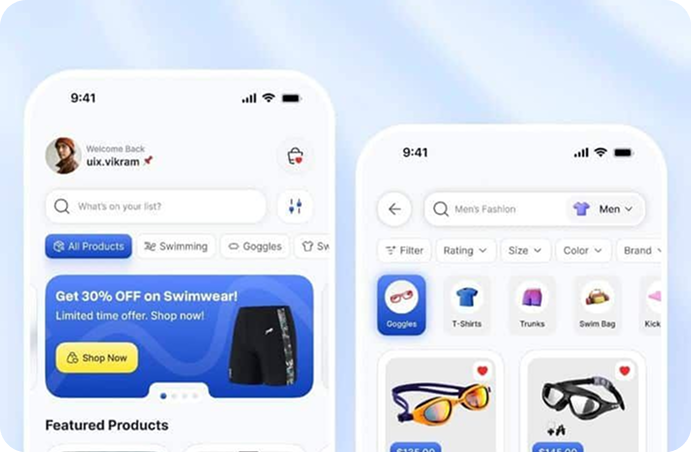
Why Good Design Always Beats Guesswork
Good design always outperforms guesswork because it is intentional, data-driven, and user-focused. While guesswork creates confusion, breaks trust, and forces users to think harder, good design guides users effortlessly through clear hierarchy, consistent patterns, and structured flows.
It relies on research, testing, and real behavior—not assumptions—making every pixel purposeful. Thoughtful interfaces reduce friction, increase conversions, and build credibility, while design systems ensure scalability and consistency across products.
Guesswork is random, emotional, and costly; it leads to lost users, higher drop-offs, and expensive redesigns.
Design, on the other hand, solves problems, improves usability, and drives measurable business growth. In every product, clarity beats chaos, strategy beats assumption, and good design always beats guesswork.
Good design always outperforms guesswork because it is intentional, data-driven, and user-focused. While guesswork creates confusion, breaks trust, and forces users to think harder, good design guides users effortlessly through clear hierarchy, consistent patterns, and structured flows.
It relies on research, testing, and real behavior—not assumptions—making every pixel purposeful. Thoughtful interfaces reduce friction, increase conversions, and build credibility, while design systems ensure scalability and consistency across products.
Guesswork is random, emotional, and costly; it leads to lost users, higher drop-offs, and expensive redesigns.
Design, on the other hand, solves problems, improves usability, and drives measurable business growth. In every product, clarity beats chaos, strategy beats assumption, and good design always beats guesswor